Tools, Stacks & Spicy Opinions
The Best AI Platforms for Small Businesses: Our Top Picks
Discover the best AI platforms for small businesses that can streamline operations and boost productivity. Our top picks will transform your workflow!
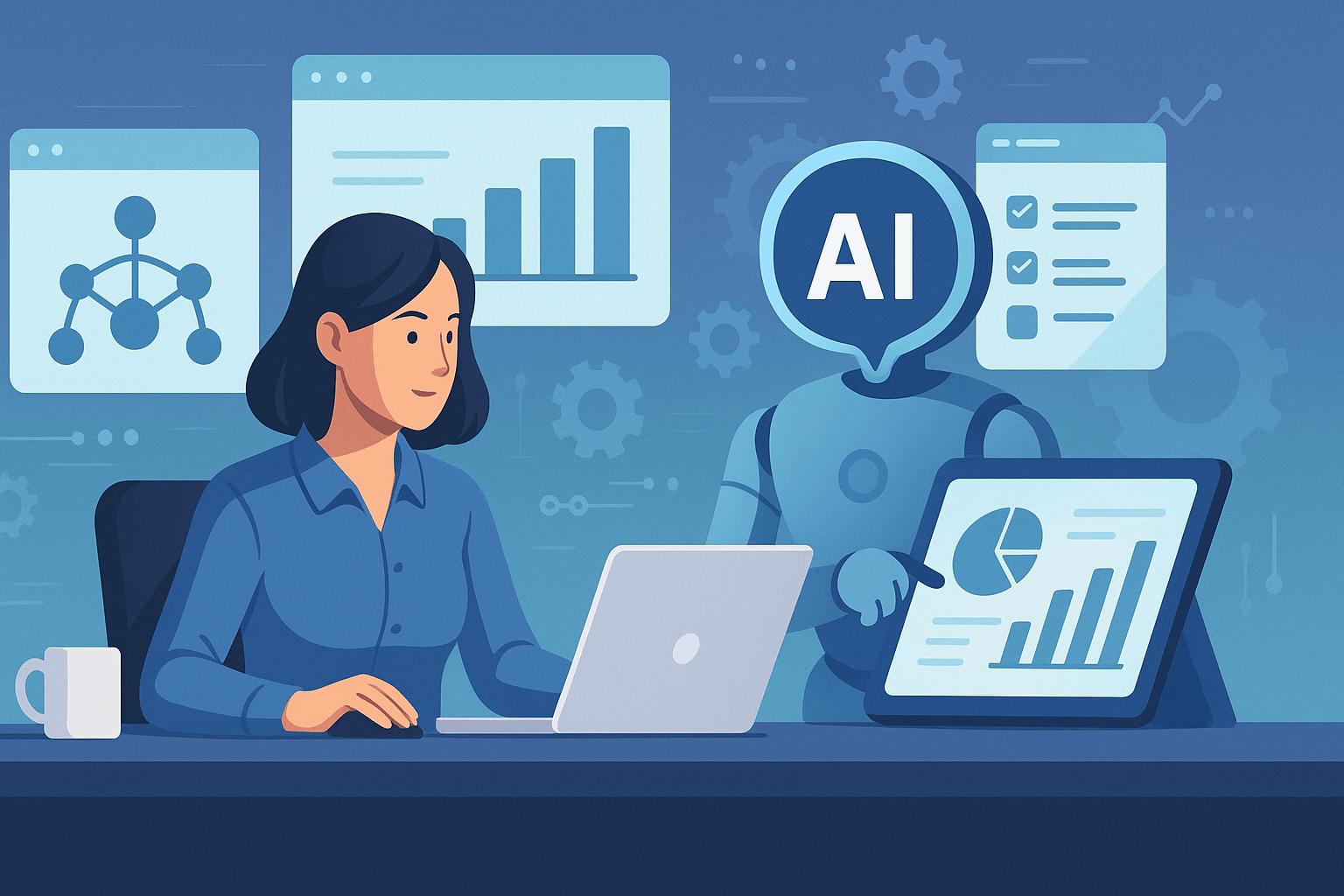
Welcome to the world of small business where every penny counts, and every hour feels like a week! Yes, you heard that right! If you’re a small business owner, you probably have a to-do list longer than a squirrel's shopping list. But fear not! The age of AI is here to rescue you from those mundane tasks and sprinkle a little magic into your operations. Think of AI platforms as your very own digital fairy godmothers—minus the wands, tutus, and questionable fashion choices.
Now, before you start picturing robots taking over your office and doing the cha-cha, let’s clarify: AI platforms are not here to steal your job; they’re here to make your life easier. Just like a good cup of coffee, they can help you wake up to the possibilities of automation, productivity, and yes, maybe even a little profit. So, grab your favorite caffeinated beverage as we dive into the best AI platforms for small businesses, and trust me, it’s going to be a wild ride!
From chatbots that can handle customer inquiries faster than you can say "Where did I put my keys?" to data analytics tools that help you make sense of your sales figures (because numbers can be tricky, like that one friend who always seems to lose their phone), we’ve compiled a list of our top picks just for you! Let’s jump in!
1. ChatGPT: Your Friendly Neighborhood Chatbot
First up, we have ChatGPT, the chatbot that’s more relatable than your high school buddy who still thinks they’re cool. With its conversational AI capabilities, ChatGPT can handle customer inquiries on your website, allowing you to focus on more important things, like perfecting your coffee-to-creamer ratio.
Imagine a potential customer visiting your website at 3 AM (who even does that?) and they have a burning question about your services. Instead of leaving them hanging like an awkward pause in a conversation, ChatGPT swoops in to save the day, providing instant responses. This can lead to increased customer satisfaction and potentially higher conversion rates. So, say goodbye to those sleepless nights worrying about your website traffic!
2. Zapier: Automation Made Easy
If there’s one thing small business owners love, it’s automation. And if there’s another thing they love, it’s the ability to automate without needing a degree in rocket science. Enter Zapier, the automation platform that connects your favorite apps and services to keep your operations running smoother than a freshly buttered slide.
With Zapier, you can create Zaps (yes, that’s what they’re called) that automate tasks between apps. For example, every time you receive a new email inquiry, a Zap can automatically add that contact to your CRM, send them a welcome email, and even create a task for you to follow up. It’s like having a personal assistant who never takes a lunch break and always remembers your coffee order!
3. HubSpot: The All-in-One Marketing Machine
Next on our list is HubSpot, the Swiss Army knife of marketing platforms. Whether you need tools for email marketing, social media management, or analytics, HubSpot has got you covered. Think of it as the ultimate toolbox that you can whip out whenever you need to fix a marketing issue.
HubSpot’s AI capabilities can help you analyze customer behavior, segment your audience, and even personalize your marketing campaigns. And let’s be real: who doesn’t love the idea of sending targeted content to people who actually want to read it? It’s like throwing a party and only inviting the cool kids!
4. QuickBooks: Accounting Without the Headache
Ah, accounting—the necessary evil that haunts every small business owner. But fear not! QuickBooks is here to take the sting out of managing your finances. With its AI-powered features, QuickBooks can help automate expense tracking, invoicing, and even payroll!
Imagine a world where you don’t have to manually enter every transaction. QuickBooks can even learn from your habits and suggest categories for your expenses, making it easier to keep your books in order. So, you can spend less time crunching numbers and more time planning your next big business move (or binge-watching your favorite series, no judgment here).
5. Canva: Graphic Design for the Non-Designers
Let’s face it: Not everyone is a Picasso. In fact, some of us can barely draw a stick figure without it looking like it just survived a hurricane. That’s where Canva comes in, allowing even the most creatively challenged among us to create stunning graphics for marketing materials, social media posts, and more.
Canva’s AI tools can help suggest layouts, colors, and images based on your preferences, making it easier than ever to create visuals that pop. Plus, with thousands of templates to choose from, you can whip up a professional-looking flyer in no time. Who knew you had an inner artist just waiting to break free?
6. Trello: Project Management Made Fun
Project management can often feel like herding cats—chaotic and slightly overwhelming. But Trello is here to turn that chaos into organized bliss! With its board-and-card system, you can easily track projects, assign tasks, and visualize your workflow.
Trello’s AI features can help you prioritize tasks, set due dates, and even remind your team about deadlines (because let’s be honest, we all need a little nudge sometimes). Plus, the visual nature of Trello makes it feel less like work and more like a fun game of organization!
7. Hootsuite: Social Media Superhero
In a world where social media reigns supreme, Hootsuite is your trusty sidekick. Managing multiple social media accounts can be a daunting task, but Hootsuite allows you to schedule posts, engage with your audience, and analyze performance all in one place.
With its AI-powered insights, Hootsuite can suggest the best times to post based on your audience’s activity. So, you’re not just throwing content into the void; you’re strategically placing it where it’s most likely to be seen. It’s like having a crystal ball for your social media strategy!
8. Google Analytics: Your Data Detective
Last but certainly not least, we have Google Analytics—the tool that can turn you into a data detective. If you’ve ever wondered how many people visited your website, where they came from, and how long they stayed, Google Analytics is your answer.
With its AI-driven insights, you can uncover trends, track conversions, and understand your audience’s behavior. This information is crucial for making informed business decisions. So, dust off your magnifying glass because you’re about to become Sherlock Holmes of your business data!
Checklist for Choosing the Right AI Platform
- Define your business needs and goals.
- Research available AI platforms in the market.
- Check integration capabilities with your existing tools.
- Look for user-friendly interfaces.
- Consider the scalability of the platform.
- Evaluate customer support and resources.
- Read reviews and case studies from similar businesses.
- Determine your budget and pricing structures.
- Test out free trials or demos.
- Assess the platform’s security features.
- Inquire about customization options.
- Check for regular updates and improvements.
- Ensure compliance with regulations (like GDPR).
- Ask for advice from peers or industry experts.
- Trust your gut feeling—sometimes it’s just that simple!
Common Failure Modes
- Choosing a platform without clear goals in mind.
- Ignoring user training and support.
- Underestimating the importance of data security.
- Overlooking integration challenges with existing tools.
- Failing to adapt the AI platform to specific business needs.
- Not leveraging the full potential of the platform’s features.
- Rushing the implementation process without testing.
Implementation Plan: 4-Week Timeline
Week 1: Research and Selection
Start by identifying your business needs and researching potential AI platforms. Create a shortlist based on features, pricing, and integration capabilities. Schedule demos to see each platform in action.
Week 2: Trial and Feedback
Sign up for free trials of your top picks. Involve your team in the testing process and gather feedback on usability and functionality. This week is all about evaluating what works for you.
Week 3: Training and Integration
Once you’ve selected a platform, it’s time for training. Make sure your team understands how to use it effectively. Work on integrating the platform with your existing systems for a seamless experience.
Week 4: Launch and Monitor
Launch the platform! Keep an eye on how it’s performing and solicit feedback from your team and customers. Make adjustments as necessary and celebrate your successful implementation!
FAQs
1. What is an AI platform?
An AI platform is a software solution that uses artificial intelligence to automate tasks, analyze data, and provide insights, making it easier for businesses to operate efficiently.
2. How can AI benefit small businesses?
AI can help small businesses save time, reduce costs, improve customer service, and make data-driven decisions, ultimately leading to growth and increased profitability.
3. Are AI platforms expensive?
The cost of AI platforms varies widely, from free options to premium services. It’s essential to evaluate your budget and choose a platform that fits your needs without breaking the bank.
4. Can I use multiple AI platforms together?
Yes! Many businesses use multiple AI platforms to cover different aspects of their operations. Just ensure they integrate well with one another to avoid complications.
5. Do I need technical skills to use AI platforms?
While some platforms may require technical skills, many are designed to be user-friendly, allowing even those with limited tech experience to navigate them effectively.
6. How do I choose the right AI platform for my business?
Assess your specific business needs, research available options, evaluate features, read reviews, and consider integrations before making a decision. A little homework goes a long way!
7. How long does it take to implement an AI platform?
Implementation timelines can vary based on the platform and your business’s needs, but a typical implementation can take anywhere from a few weeks to a few months.
8. What if I encounter issues with my AI platform?
Most AI platforms offer customer support and resources to help you troubleshoot issues. Don’t hesitate to reach out for assistance when needed!
9. Can AI platforms help with marketing?
Absolutely! Many AI platforms include marketing tools that can automate campaigns, analyze customer behavior, and improve targeting for better results.
Conclusion
In conclusion, the world of AI platforms is vast and varied, but with the right tools, small businesses can revolutionize their operations. Whether it's automating customer support, streamlining marketing efforts, or simplifying financial management, AI has the potential to transform your business for the better.
If you’re feeling overwhelmed and need help choosing the right AI platform for your small business, don’t hesitate to contact Jackbyte! We specialize in AI and automation assessments to ensure you get the most out of your investment. Let’s make your business smarter, not harder!