The Jackbyte Playbook (Hot Takes & Field Notes)
Breaking Down the Myths of AI: What Actually Works
Dive into the wild world of AI myths and discover what actually works! Let’s debunk the most ridiculous stories and spotlight real solutions.
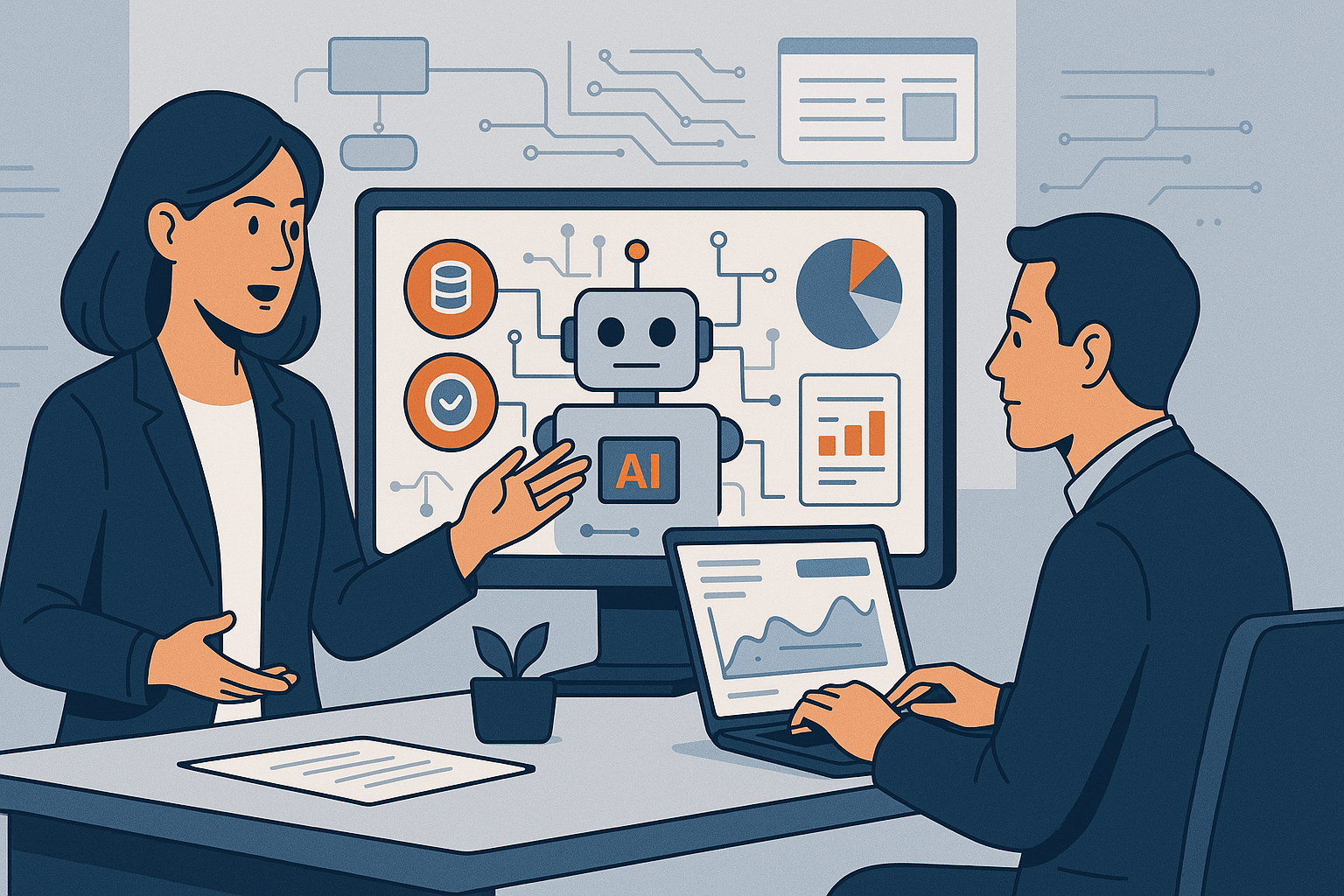
Gather 'round, folks! Today, we're diving headfirst into the wild world of AI myths, where reality often takes a back seat to the shiniest, most outrageous stories. If you've ever been told that AI will take over the world and your job will be replaced by a robot with a fancy tie, you might want to sit down with a cup of coffee (or a stiff drink). Let’s peel back the layers of this onion of misinformation and see what’s really going on!
First off, let’s clarify: AI won’t come knocking on your door with a briefcase full of cash and promises of eternal happiness. In fact, it’s more like that awkward friend who shows up uninvited to your party—sometimes helpful, sometimes just there to drink your last soda. So, what’s real in the AI world? Spoiler alert: it’s not all doom and gloom!
In this post, we’ll debunk some of the most ridiculous AI myths, spotlight what actually works, and give you the juicy details you need to navigate this tech-laden landscape like a pro. Buckle up, buttercup, because it’s going to be a bumpy ride!
Myth #1: AI Will Replace Humans
Let’s start with the big one: the fear that AI is coming for your job. We get it; it sounds like a sci-fi movie plot. But here’s the twist—AI is more like your trusty sidekick than an evil overlord. It can automate repetitive tasks, analyze massive data sets faster than you can say 'machine learning,' and even help you make better decisions. But replace you? Nah, that’s just a plot device from a low-budget film.
Think about it. AI can handle the grunt work, allowing you to focus on the creative and strategic parts of your role. So, instead of fearing the robot uprising, embrace it! After all, who wouldn’t want a digital assistant to handle their 3-hour-long Excel spreadsheet?
Myth #2: AI Is Only for Big Corporations
Another popular myth is that AI is a fancy toy reserved for the Fortune 500 crowd. Newsflash: AI is not just a privileged club for the rich and famous! Small and mid-sized businesses can leverage AI tools that are as accessible as your favorite coffee shop. Seriously, if you can order a latte online, you can integrate AI into your business processes.
From chatbots to predictive analytics, there’s an AI solution out there for businesses of all sizes. You just have to know where to look—like finding the last slice of pizza at a party. If you’re strategic about it, you can enjoy the benefits without breaking the bank.
Myth #3: AI Is Magic
If only! If AI was magic, we’d all be waving wands instead of dealing with pesky data problems. The truth is, AI is built on algorithms and data, not pixie dust. It’s not about pressing a button and having everything sorted out. You need quality data, a clear strategy, and a bit of patience.
Think of AI as your new workout plan. You won’t see results overnight, but with consistent effort and the right approach, you’ll be flexing those analytical muscles in no time.
Myth #4: AI Can Understand Context Like Humans
Ever tried talking to a chatbot and ended up feeling like you were conversing with a cantaloupe? That’s because AI struggles with context and nuance. It can process information and respond, but it lacks the emotional intelligence that humans possess. Sure, it can learn from data, but it doesn’t have feelings, and it certainly doesn’t understand sarcasm.
So, while AI can help with customer service, it’s not going to win any empathy awards. Use it for what it’s good at—data processing and pattern recognition—but keep a human in the loop for those touchy-feely conversations.
Myth #5: Implementing AI Is Simple
Ah, the classic “just plug it in and watch the magic happen” myth. Implementing AI is not as easy as pie, folks. If your pie is a complex algorithm that requires data cleaning, integration with existing systems, and potentially a team of experts to help you out. It’s more like assembling IKEA furniture without the instructions—frustration and confusion guaranteed!
Before diving in, you need to have a clear understanding of your business goals, the data you have (or need), and how AI can fit into your existing workflows. A little preparation goes a long way in avoiding the pitfalls of a half-baked implementation.
Myth #6: AI Is Only for Tech-Savvy People
Hold the phone! You don’t need to be a tech genius to benefit from AI. While having some knowledge can be helpful, there are plenty of user-friendly tools out there designed for the everyday business owner. Think of it as using a microwave; you don’t need to know how it works, just how to press the buttons!
There are AI platforms that cater to various skill levels. From drag-and-drop interfaces to guided setups, anyone can harness the power of AI with a little curiosity and a willingness to learn. So, channel your inner tech wizard and start experimenting!
Myth #7: AI Doesn’t Make Mistakes
If you think AI is infallible, let’s have a little chat. AI can and does make mistakes—sometimes hilarious ones! Remember that time an AI misidentified a cat as a toaster? Yeah, it happens. AI learns from data, and if the data is flawed, it will produce flawed results.
Always approach AI with a healthy dose of skepticism and verify its outputs. Think of it as a toddler; just because it says something doesn’t mean it’s true. Double-check, and you’ll avoid some entertaining but unhelpful outcomes!
Myth #8: AI Is a One-Size-Fits-All Solution
Last but not least, let’s bust the myth that AI is a catch-all solution. Just because it worked wonders for your neighbor’s bakery doesn’t mean it will automatically solve your tech startup’s problems. Each business is unique, and so are its challenges.
When considering AI, tailor your approach to fit your specific needs. What works for a retail store may not work for a consulting firm. So, do your homework, and customize your AI strategy to ensure it aligns with your business goals.
Checklist: Are You Ready for AI?
- Understand your business goals and how AI can help.
- Assess the quality of your data—garbage in, garbage out!
- Identify bottlenecks in your current processes.
- Research available AI tools that fit your budget and needs.
- Involve your team in the AI discussions—get their buy-in.
- Plan for ongoing training and support.
- Start small and scale as you learn.
- Monitor results and be prepared to pivot if necessary.
- Establish a feedback loop to improve AI systems.
- Stay updated on AI trends and advancements.
- Be realistic about what AI can achieve.
- Prepare to educate your team on AI basics.
- Have fun with it—seriously!
- Consider consulting with AI experts for tailored strategies.
- Don’t forget to celebrate small wins!
Common Failure Modes
- Poor data quality leading to inaccurate AI outputs.
- Lack of clear business objectives and goals.
- Overcomplicating the implementation process.
- Ignoring the importance of team training and buy-in.
- Not monitoring and evaluating performance consistently.
- Assuming AI is a set-and-forget solution.
- Neglecting the need for ongoing adjustments and improvements.
Implementation Plan: A 4-Week Journey to AI
Week 1: Research and Planning
Gather your team and brainstorm the potential uses of AI in your business. Identify key areas where AI can save time or improve efficiency. Set clear goals for what you want to achieve with AI implementation.
Week 2: Data Assessment and Tool Selection
Evaluate the data you have. Is it clean, organized, and ready for AI? If not, start the cleanup process. Research various AI tools that fit your needs and budget. Schedule demos and read reviews.
Week 3: Pilot Testing
Choose a small project to test your selected AI tool. Monitor its performance closely and gather feedback from your team. This is your chance to make adjustments before a full rollout!
Week 4: Full Implementation and Training
After refining the process based on your pilot, roll out the AI solution across your business. Schedule training sessions for your team to ensure they know how to use the tool effectively. Celebrate your success—this is the start of your AI journey!
Tooling Options: From Scrappy to Mature
Scrappy Tier
If you’re just dipping your toes into AI, consider tools like Google Analytics for insights and Zapier for automation. These platforms are user-friendly and won’t break the bank!
Growing Tier
For businesses ready to expand, look into more advanced solutions like HubSpot for marketing automation or Salesforce for CRM. These systems offer robust features that can scale as you grow.
Mature Tier
If you’re in the big leagues, consider AI platforms like IBM Watson or Azure Machine Learning that provide comprehensive solutions for analytics, machine learning, and more. These options require a larger investment but can deliver powerful results.
FAQs
What is the biggest misconception about AI?
Many people think AI will replace human jobs, when in fact, it’s designed to assist and augment our capabilities.
Can small businesses afford AI?
Absolutely! There are many affordable AI tools available that cater specifically to small businesses.
How do I know if my data is good enough for AI?
If your data is organized, accurate, and relevant to your objectives, you’re on the right track!
What kind of training do employees need for AI?
Basic AI literacy is essential, along with specific training for the tools you implement.
How long does it take to see results from AI?
It varies by implementation, but with the right approach, you can start seeing results within weeks to months.
What should I do if AI makes mistakes?
Always verify AI outputs and use those mistakes as learning opportunities to improve your system.
Conclusion
So there you have it: the truth behind AI myths and what actually works! Remember, AI isn’t here to take over but rather to enhance your business. Embrace it with open arms, a sprinkle of humor, and a healthy dose of skepticism. If you’re ready to explore how AI can transform your business, don’t hesitate to contact Jackbyte for an AI/automation assessment. Let’s make sure you’re on the right path to AI success—after all, we wouldn’t want you to end up as the next cat-toaster incident!